
If you’ve been researching package management systems for your apartment community, you’ve probably seen the word “turnkey” thrown around a lot. It sounds reassuring… minimal effort, fast setup, done. But what does turnkey actually mean in practice, and how do you know if a vendor can deliver on it?
This post breaks down what a genuine turnkey installation process looks like, what your property should expect to handle, and what a good vendor takes off your plate entirely.
Why the Installation Process Matters More Than People Think
Most property managers evaluating package management systems focus on features — lockers vs. package rooms, notification systems, access control. The implementation process is often an afterthought, until it becomes a problem.
A poorly managed installation can mean weeks of delays, hardware that doesn’t fit the space, staff scrambling to coordinate between vendors and contractors, and a go-live date that keeps moving. A genuine turnkey process eliminates most of that friction by putting the coordination burden on the vendor, not the property.
What a Turnkey Implementation Actually Looks Like
A well-structured package management installation typically moves through a few key phases:
Discovery. Before anything else, a good vendor gathers detailed information about your property. This includes the package room dimensions, unit count, package volume, access points, and any physical constraints. This isn’t a formality; it’s what makes the rest of the process accurate. A vendor skipping this step is one that’s more likely to send the wrong hardware or propose a solution that doesn’t fit your space.
Proposal and configuration. Based on discovery, the vendor configures a solution tailored to your property and presents a detailed proposal. At HelloPackage, this means a recommendation built around your specific space, unit count, and volume, not a one-size-fits-all.
Agreement and hardware ordering. Once an agreement is signed, hardware gets ordered and prepared for installation. This is where the timeline clock starts, and a reliable vendor will give you clear expectations for what comes next.
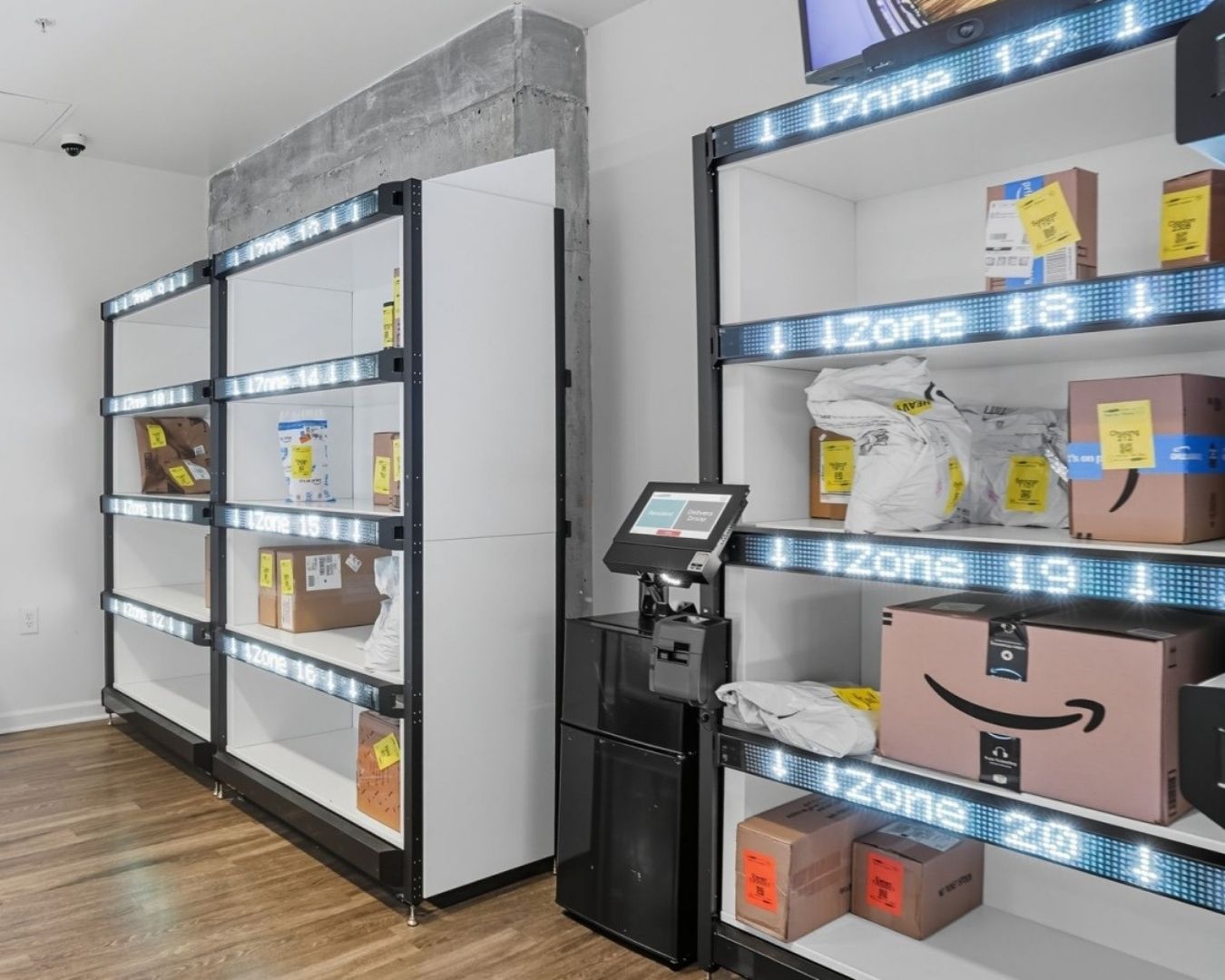
Installation. Physical installation, shelving, access control hardware, cameras, kiosks, is completed onsite. At HelloPackage, installation is typically completed within 4-6 weeks of a signed agreement. Your property’s main role here is making the space accessible; the technical setup is handled by the HelloPackage team.
Jeremy Doss, Property Manager at Populus Waterside, put it simply: “You guys said it would take about 5 days but completed the work in less than 2 days with zero issues. Awesome job. Knocked it out of the park for us.”
Onboarding and go-live. This is where a lot of vendors fall short. A true turnkey process doesn’t end at installation — it includes training for onsite staff, carrier onboarding so delivery drivers know how to use the system from day one, and ongoing performance monitoring after go-live. HelloPackage’s customer success team handles all of this, including video tutorials and self-serve materials, so your team isn’t dependent on a support call every time a question comes up.
Laura Watkins, who has implemented HelloPackage across multiple properties, described her experience this way: “From contract to install to stabilization, the staff was supportive, the equipment was sophisticated, the process was seamless, and the invoicing was transparent.”
What Your Property Actually Has to Do
The honest answer: not much. The property’s main responsibilities are making the space available for installation, participating in a kickoff meeting to align on logistics, and ensuring staff attend the onboarding session. Everything else — hardware, configuration, carrier training, software setup — is managed by HelloPackage.
This is the distinction that separates a genuinely turnkey solution from one that just uses the word. If a vendor’s “turnkey” process still requires your maintenance team to run conduit, your leasing staff to train carriers, or your manager to chase down installation updates — that’s not turnkey.
What to Ask Any Vendor Before You Sign
If you’re comparing package management systems and implementation support is a priority, a few questions worth asking:
- How long does installation typically take after agreement?
- Who handles carrier and delivery driver training — your team or theirs?
- What does onboarding for onsite staff look like?
- What kind of support exists after go-live — and is it ongoing or just a one-time handoff?
- What happens if something goes wrong during or after installation?
The answers will tell you quickly whether “turnkey” is a genuine commitment or just a sales line.
The Bottom Line
A package management system is only as good as the implementation behind it. The right vendor takes the coordination, configuration, and training burden off your property — so your team can focus on residents, not logistics. And the right partner doesn’t disappear after go-live. HelloPackage stays engaged through ongoing support, performance monitoring, and regular business reviews, because getting you up and running is just the beginning.
If you’re ready to see what that looks like for a community like yours, reach out at sales@packagesolutions.com or schedule a demo.